

Yinestar News
Category: POS System · Clear filters
Hardware Holds Almost 60% of Interactive Kiosk Spending, and the Growth Segments Want Different Hardware
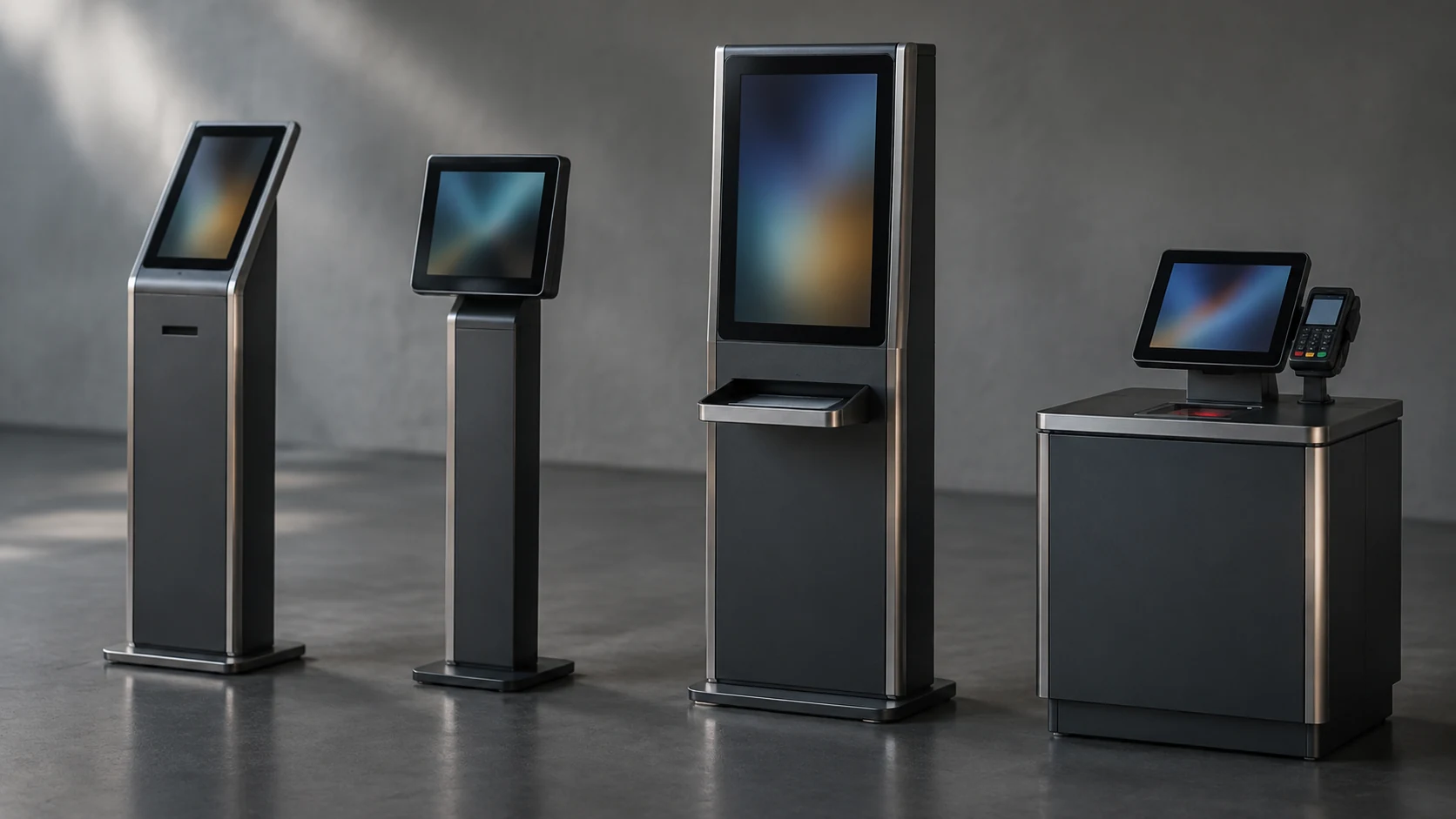
SNS Insider puts the global interactive kiosk market at USD 37.57 billion in 2025, with hardware accounting for almost 60% of it. The more useful detail for anyone building the units is that the segments carrying the largest share today are not the segments growing fastest, and ticketing, healthcare and public-sector deployments ask different things of an enclosure than retail checkout does.
Fewer Restaurants Plan New Kiosks. The Hardware Requirement Is Shifting, Not Shrinking
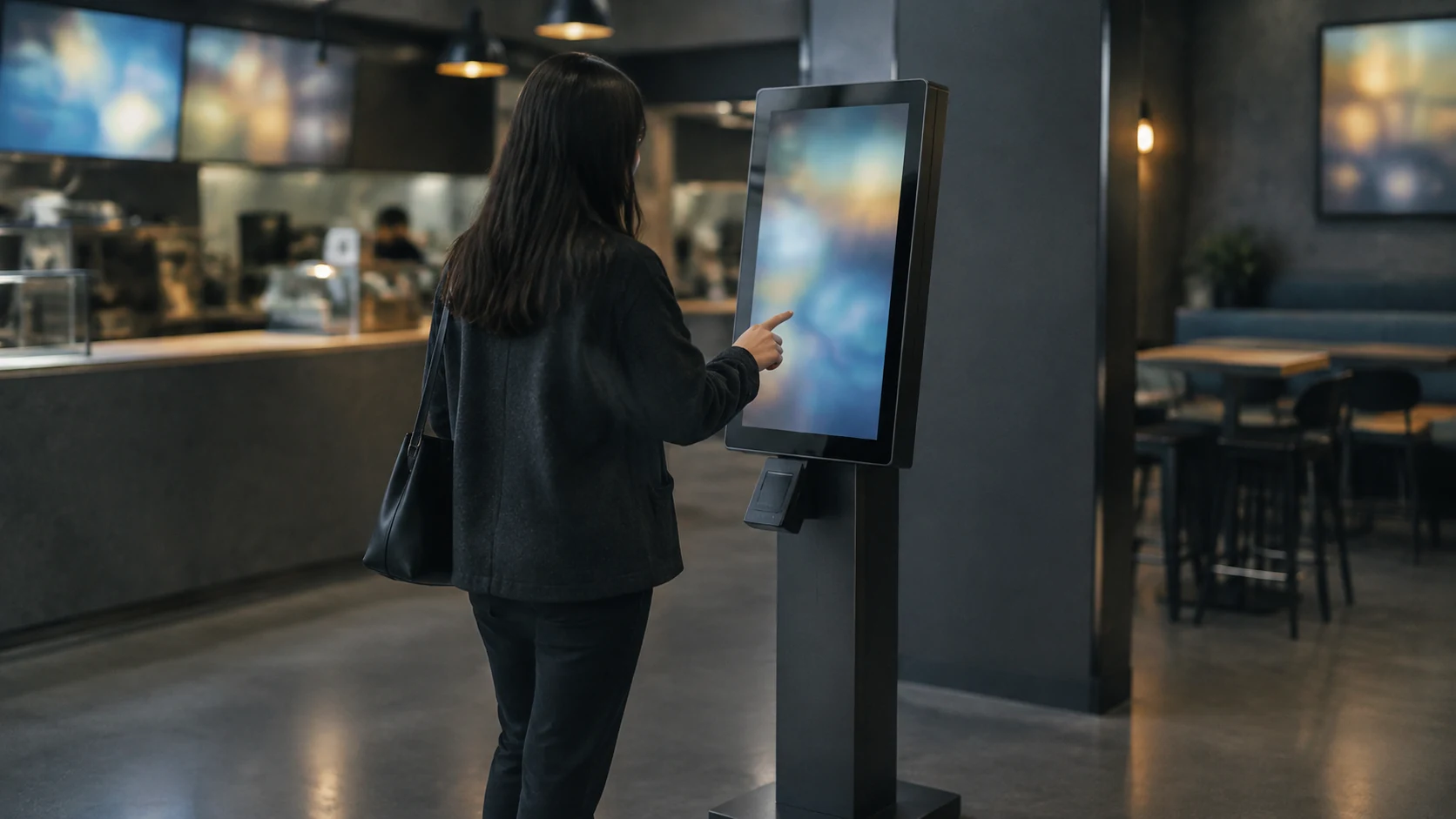
Hospitality Technology reports that the share of restaurant operators with no plans to add kiosks has risen from 52.8% to 68%, even as Pilot Company installs 156 self-order kiosks across 78 Wendy's locations. Both readings can be true: a deployment peak has passed and demand is moving from fleet rollouts to replacement units and environment-specific fits. For hardware suppliers, that changes what a kiosk order looks like.
Self-Checkout Bills Are Converging on the Same Controls and Disagreeing on Every Number
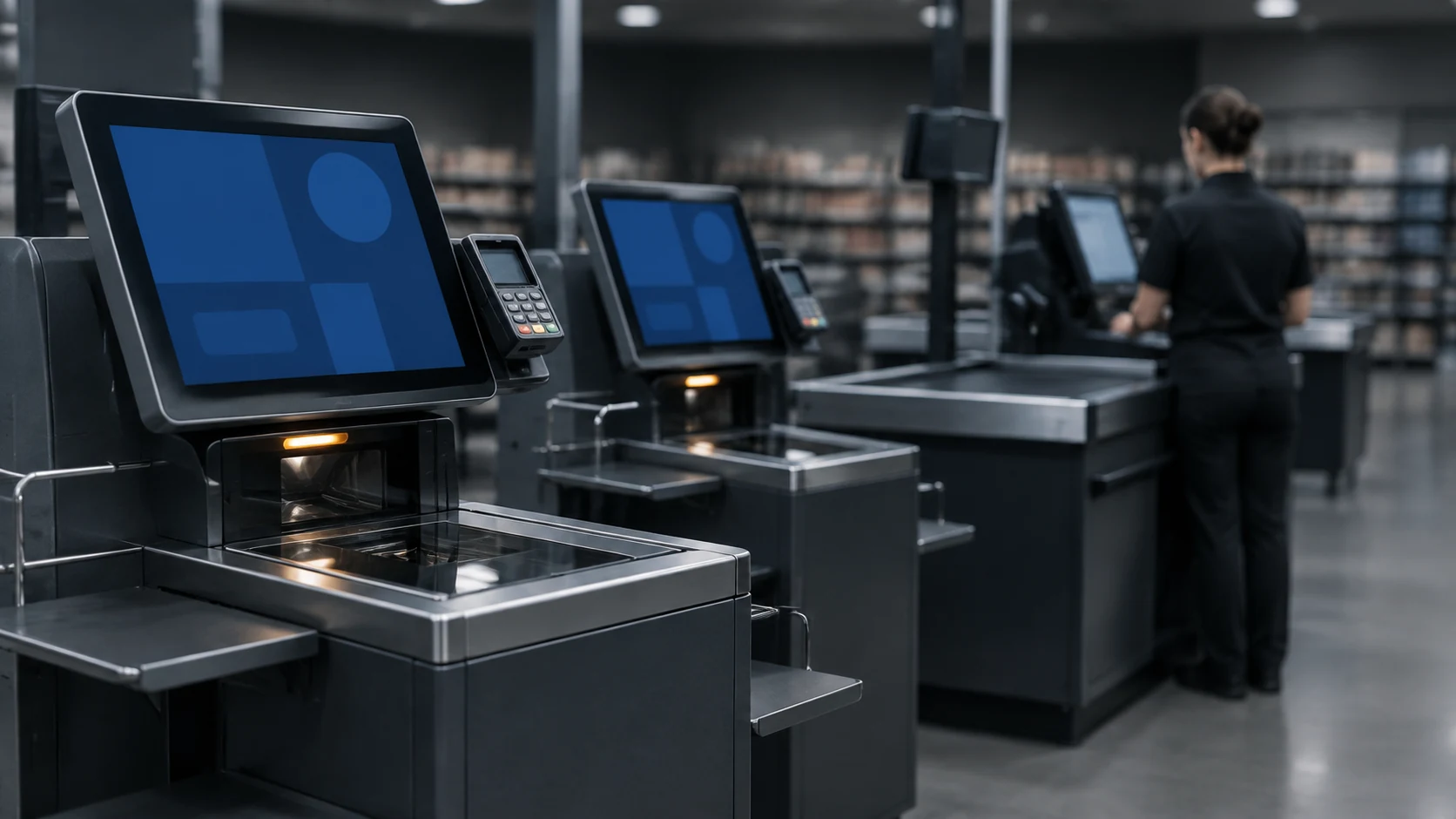
Rhode Island's self-checkout law was signed June 18 and takes effect January 1, 2027, with legislative efforts now surfaced in at least nine states plus several California cities and New York City. The bills ask for the same six things — a staffed lane, a staffing ratio, item limits, age-restricted rules, accessible checkout, accountability for automated decisions — and set different constants for each, which turns compliance into a configuration requirement rather than a product variant.
CUSS 2 Retires the Application Layer, Not the Kiosk — Which Makes Modularity the Deciding Specification
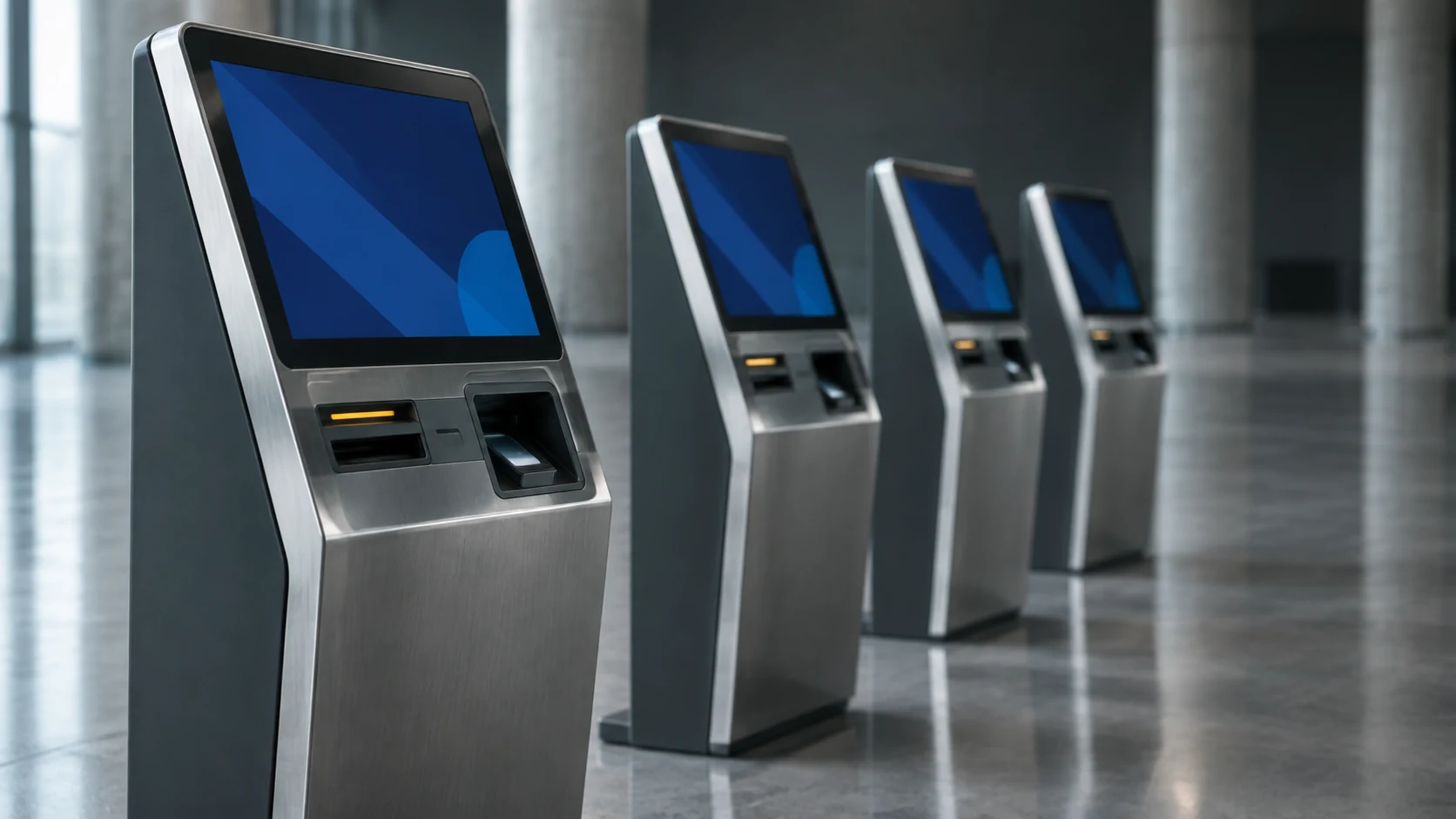
IATA's roadmap asks the airline industry to leave CUSS 1.x platforms and applications by the end of 2026, moving from fixed Windows-based local applications to HTML5, OpenAPI, OAuth 2.0, WebSocket and TLS newer than 1.2. Reported experience with 12- to 13-year-old kiosks running new applications shows the standard change does not condemn the hardware — it audits it, component by component, and the peripherals fail that audit before the enclosure does.