

Yinestar News
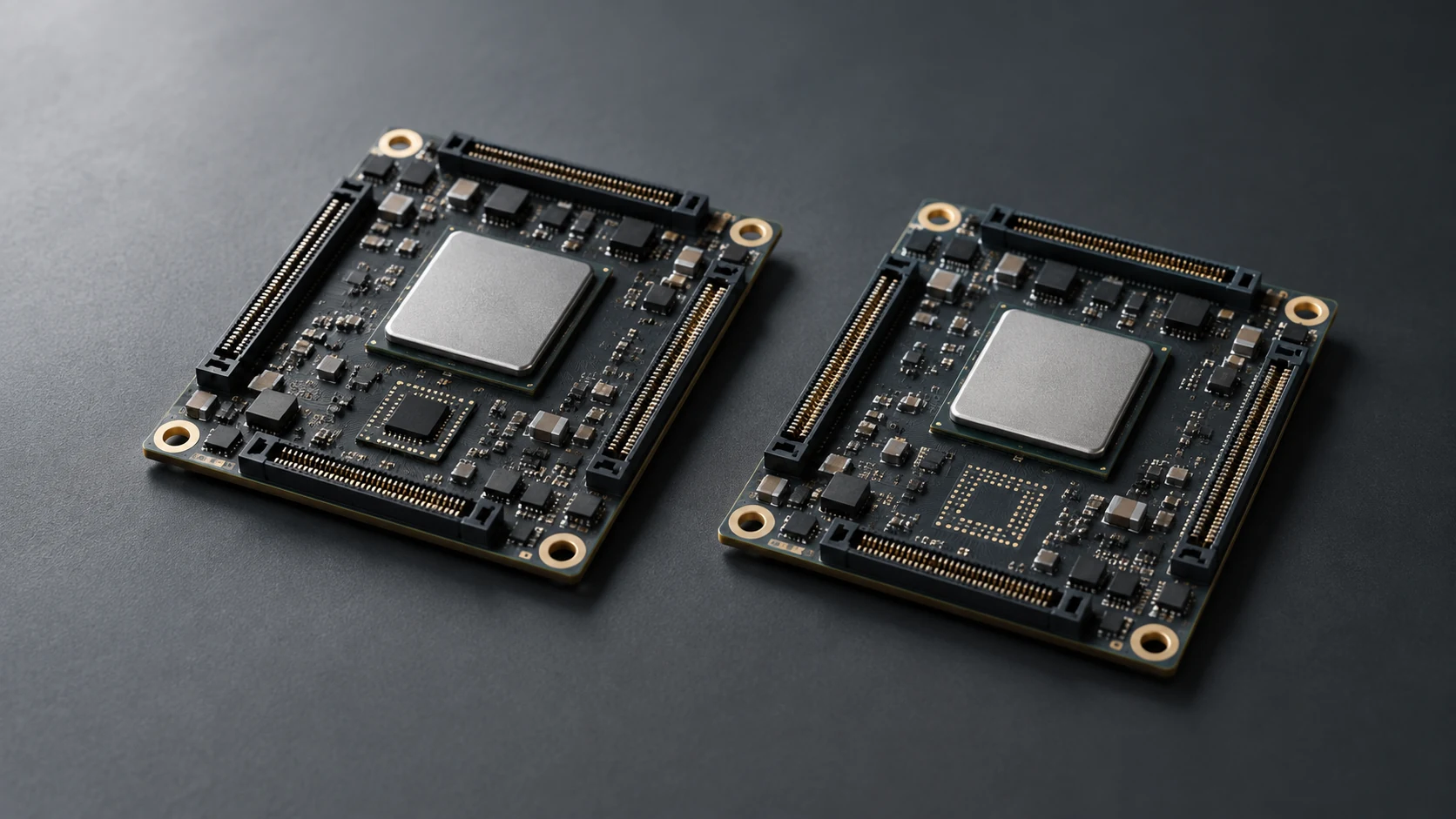
The CPU Holds the Largest Share of Edge AI Processors, Not the GPU
MarketsandMarkets puts the edge AI hardware market at USD 26.14 billion in 2025, reaching USD 58.90 billion by 2030 at a 17.6% CAGR. Its processor finding runs against the prevailing assumption: CPUs, not GPUs or ASICs, hold the largest share, on the strength of versatility and fit across heterogeneous applications. For industrial hardware, that supports a quieter product logic — most edge inference runs on the processor already in the system.
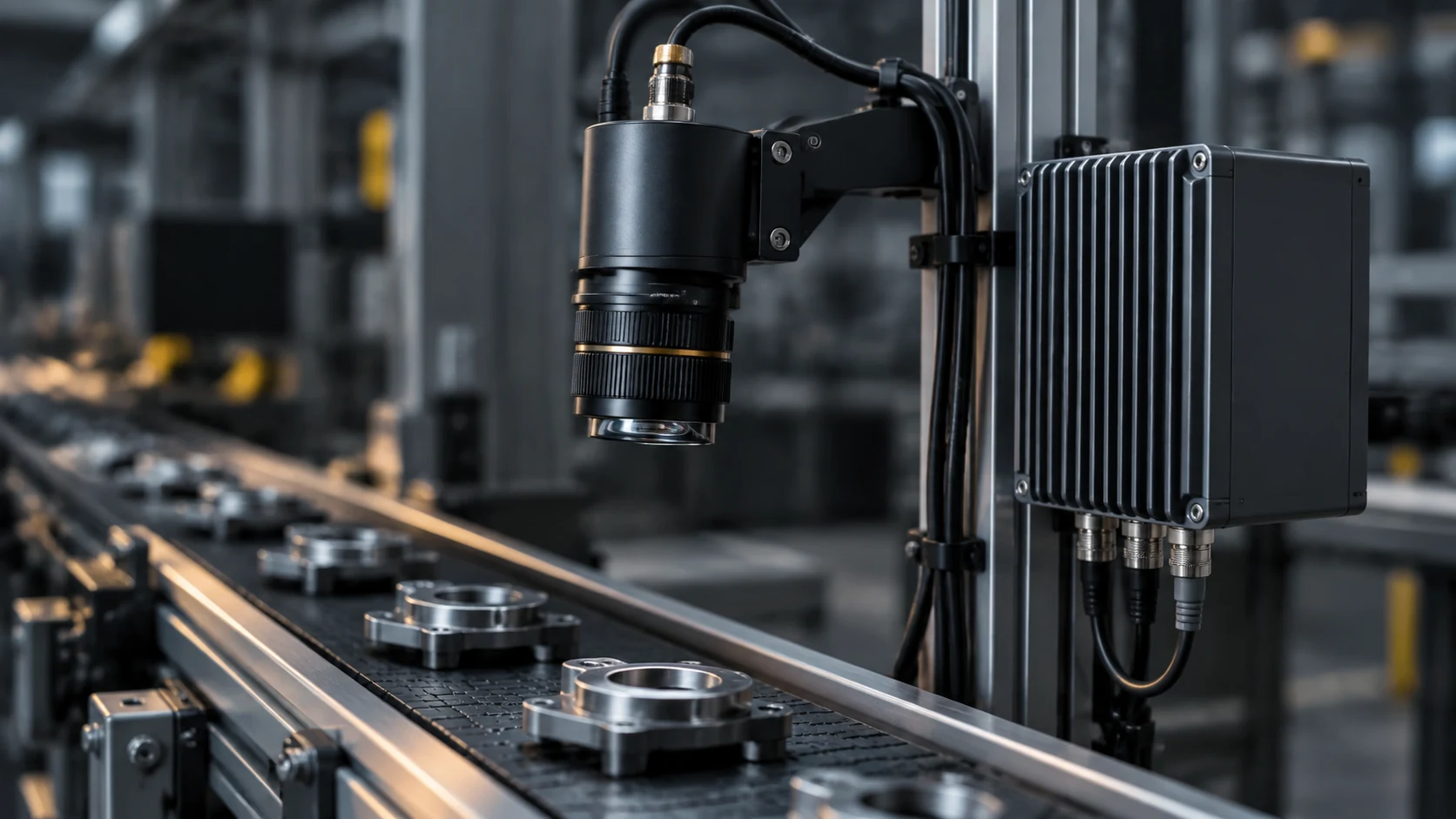
Video Analytics Is the Largest Edge Application — and Services Are Growing Fastest for a Reason
MarketsandMarkets forecasts the edge computing market rising from USD 111.34 billion in 2026 to USD 317.39 billion by 2031. Two findings matter more than the total: video analytics and computer vision is the largest application segment, and services is the fastest-growing offering. Read together, they say the workload driving edge deployment is vision, and that running a distributed fleet of vision nodes is harder than specifying one.
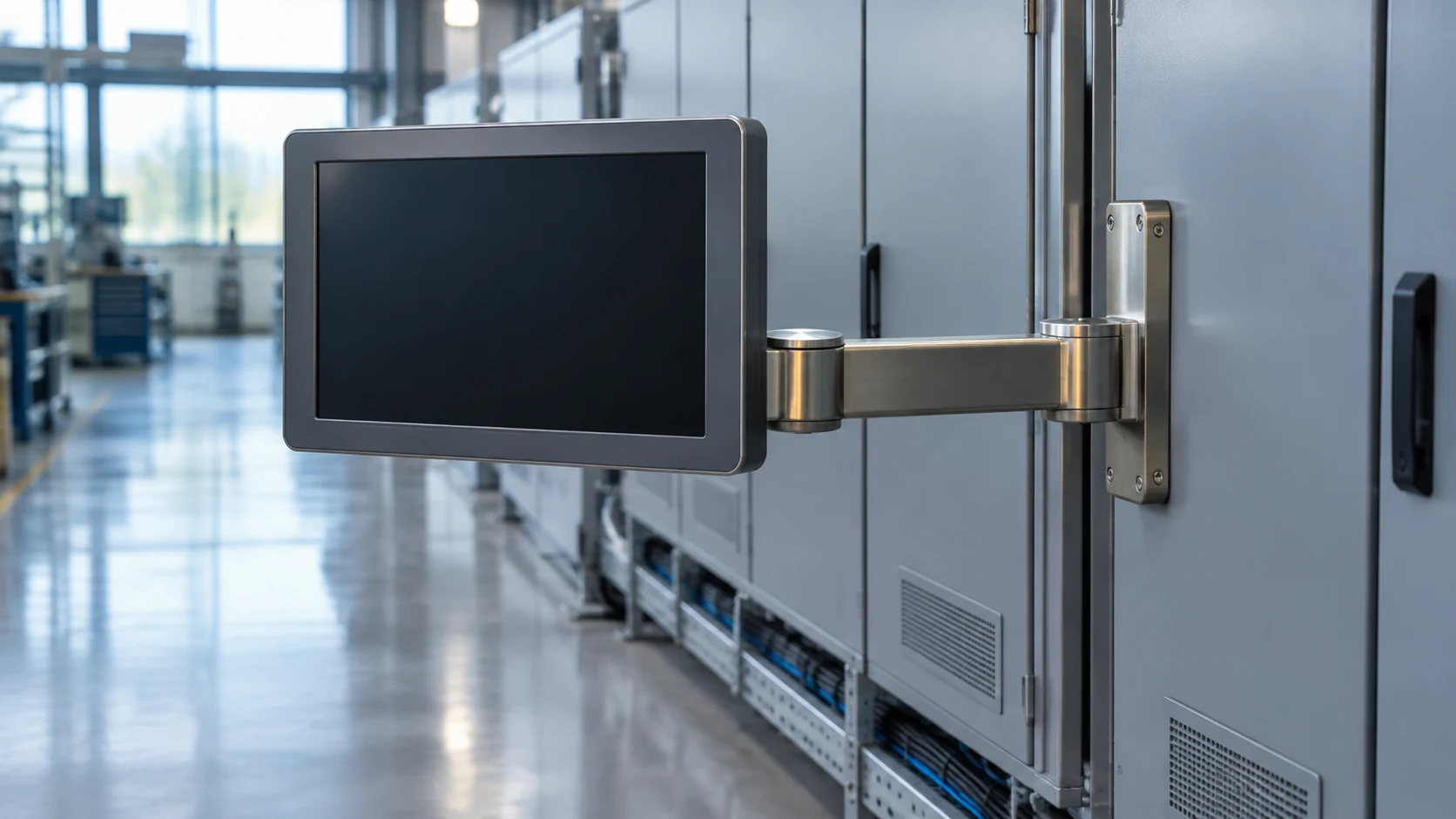
Industrial PCs Held 21% of Europe's Embedded Market in 2025 — and the Supply Chain Under Them Is Being Rebuilt
A Research and Markets report published on September 14 sizes Europe's industrial embedded systems market at USD 6.1 billion in 2025, with industrial PCs holding an estimated 21% share. Alongside the forecast sits a supply-side story: EUR 43 billion of EU Chips Act investment and new fabs in Magdeburg, Dresden and Villach, which the report suggests may reduce the exposure European manufacturers felt in 2021-2022. For suppliers shipping in, it changes what buyers ask about sourcing.
Long Service Life, Fast-Moving Silicon: The Tension Inside the Rugged Embedded Forecast
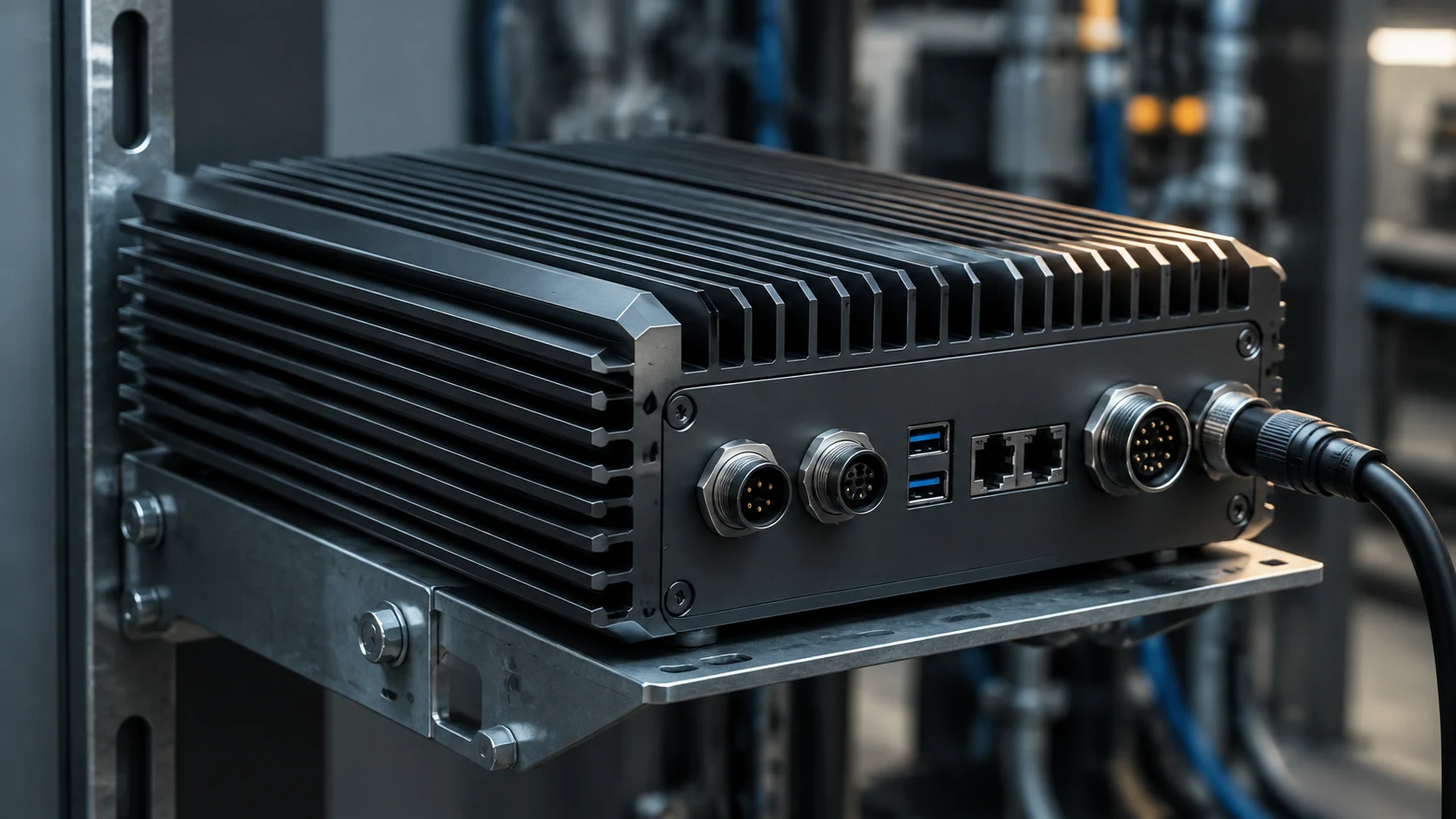
A ResearchAndMarkets.com study published on September 15 puts the global ruggedized embedded system market on a 10.6% CAGR through 2034. The more useful part is its constraint list: processor architectures, connectivity standards and security requirements move faster than the equipment they go into. That mismatch explains why lifecycle terms, modular partitioning and compact fanless designs now decide rugged hardware purchases as much as specifications do.
The Cyber Resilience Act Reporting Obligations Now Apply. The Design Work Came Earlier
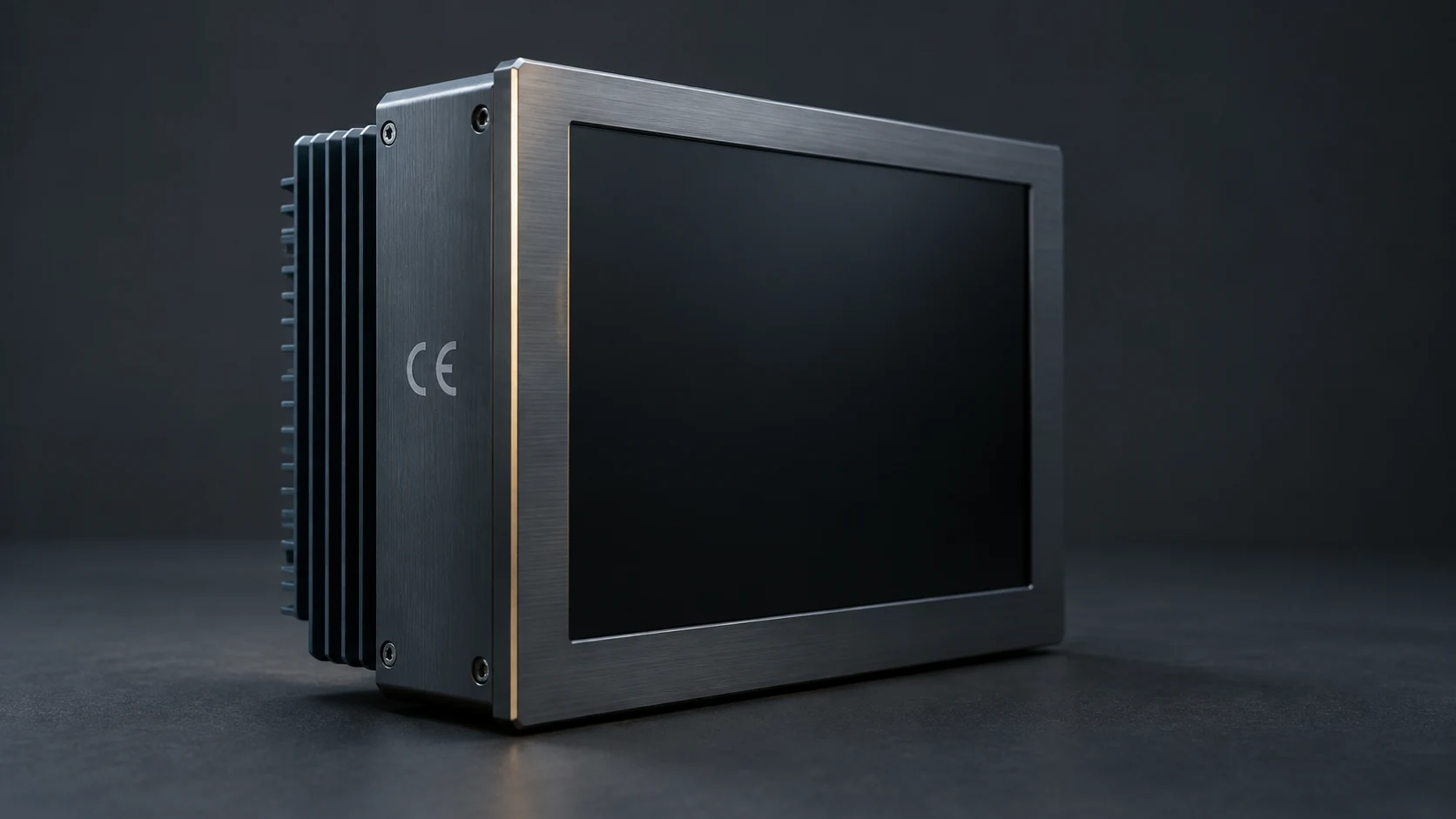
The EU Cyber Resilience Act entered into force on 10 December 2024. Its reporting obligations apply as of 11 September 2026 and its main obligations from 11 December 2027. For anyone building connected terminals, the deadline that matters is not the reporting date — it is the point at which planning and design decisions stop being changeable, because the Act places obligations across the whole lifecycle and requires vulnerability handling for as long as a product is in service.

Retail Media Is Turning Modularity and Low Power Into In-Store Display Requirements
ResearchAndMarkets.com forecasts the in-store digital advertising display market growing from $4.39 billion in 2025 to $7.69 billion by 2030 at a CAGR of 11.9%. Two details buried in the forecast matter more to hardware suppliers than the total does: retailers are favouring modular display systems across mixed store formats, and vendors are pushing low-power screens to cut operating cost. Both are design constraints, not marketing angles.
Hardware Holds Almost 60% of Interactive Kiosk Spending, and the Growth Segments Want Different Hardware
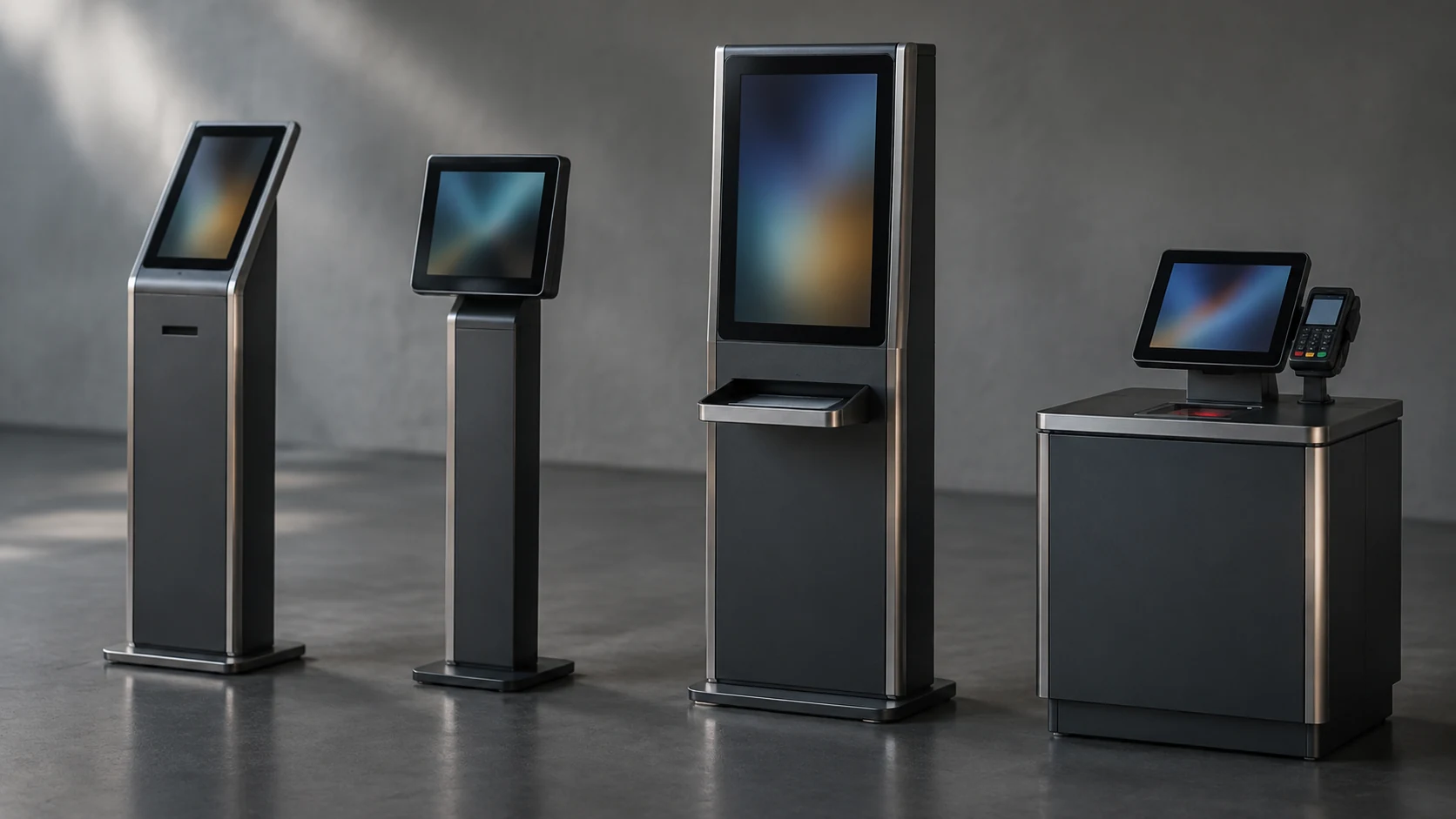
SNS Insider puts the global interactive kiosk market at USD 37.57 billion in 2025, with hardware accounting for almost 60% of it. The more useful detail for anyone building the units is that the segments carrying the largest share today are not the segments growing fastest, and ticketing, healthcare and public-sector deployments ask different things of an enclosure than retail checkout does.

Fewer Restaurants Plan New Kiosks. The Hardware Requirement Is Shifting, Not Shrinking
Hospitality Technology reports that the share of restaurant operators with no plans to add kiosks has risen from 52.8% to 68%, even as Pilot Company installs 156 self-order kiosks across 78 Wendy's locations. Both readings can be true: a deployment peak has passed and demand is moving from fleet rollouts to replacement units and environment-specific fits. For hardware suppliers, that changes what a kiosk order looks like.
Self-Checkout Bills Are Converging on the Same Controls and Disagreeing on Every Number
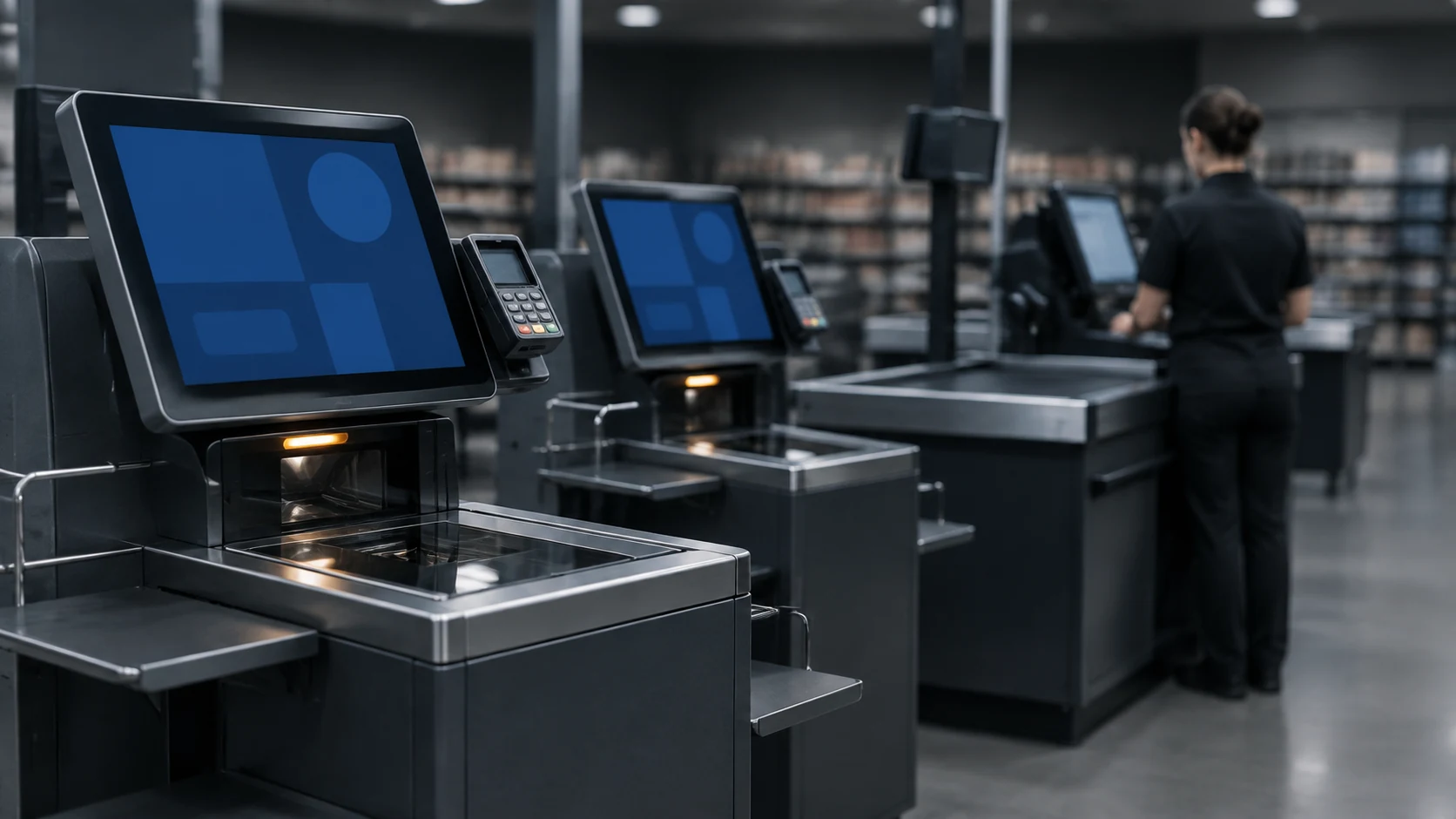
Rhode Island's self-checkout law was signed June 18 and takes effect January 1, 2027, with legislative efforts now surfaced in at least nine states plus several California cities and New York City. The bills ask for the same six things — a staffed lane, a staffing ratio, item limits, age-restricted rules, accessible checkout, accountability for automated decisions — and set different constants for each, which turns compliance into a configuration requirement rather than a product variant.
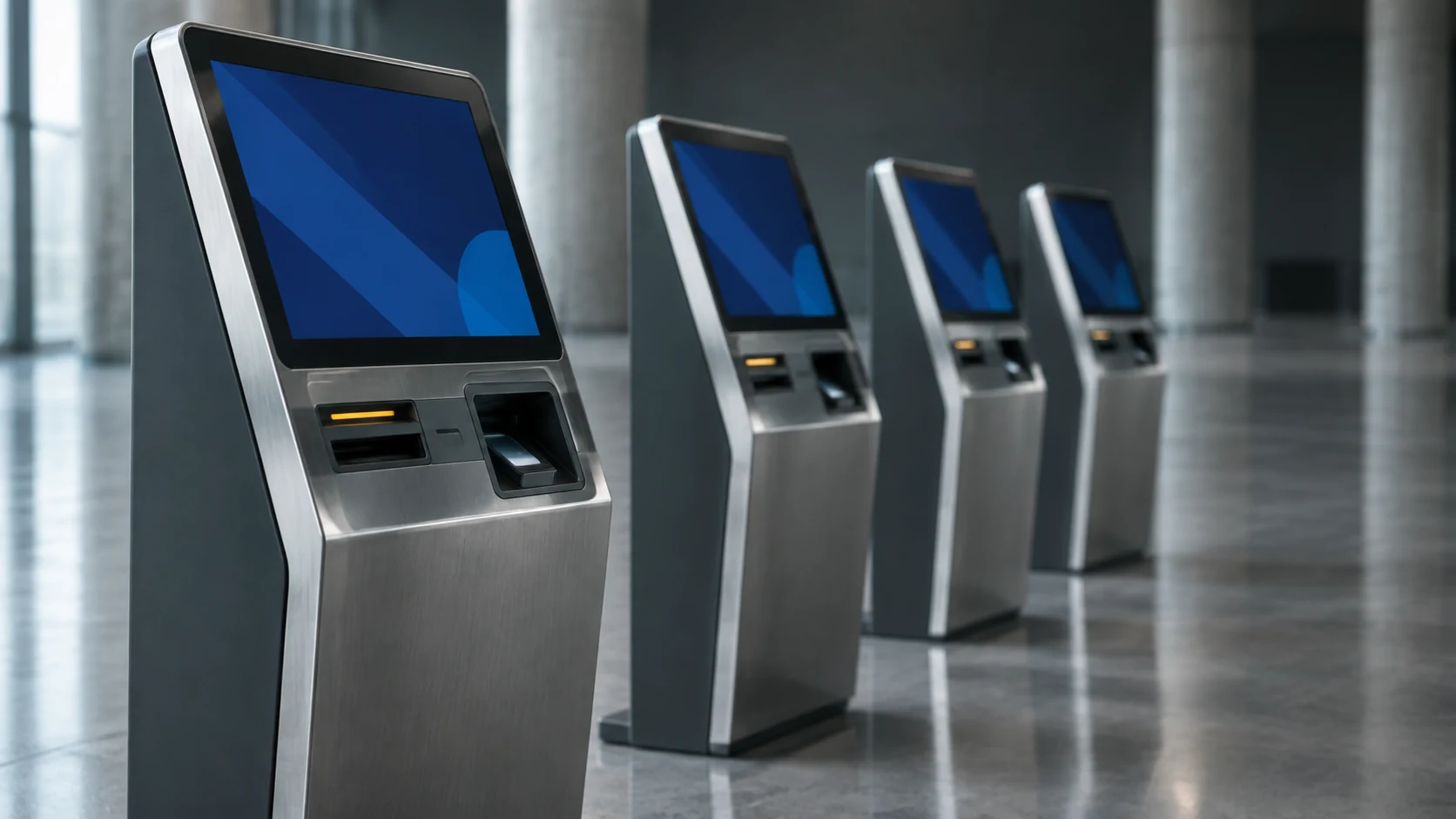
CUSS 2 Retires the Application Layer, Not the Kiosk — Which Makes Modularity the Deciding Specification
IATA's roadmap asks the airline industry to leave CUSS 1.x platforms and applications by the end of 2026, moving from fixed Windows-based local applications to HTML5, OpenAPI, OAuth 2.0, WebSocket and TLS newer than 1.2. Reported experience with 12- to 13-year-old kiosks running new applications shows the standard change does not condemn the hardware — it audits it, component by component, and the peripherals fail that audit before the enclosure does.
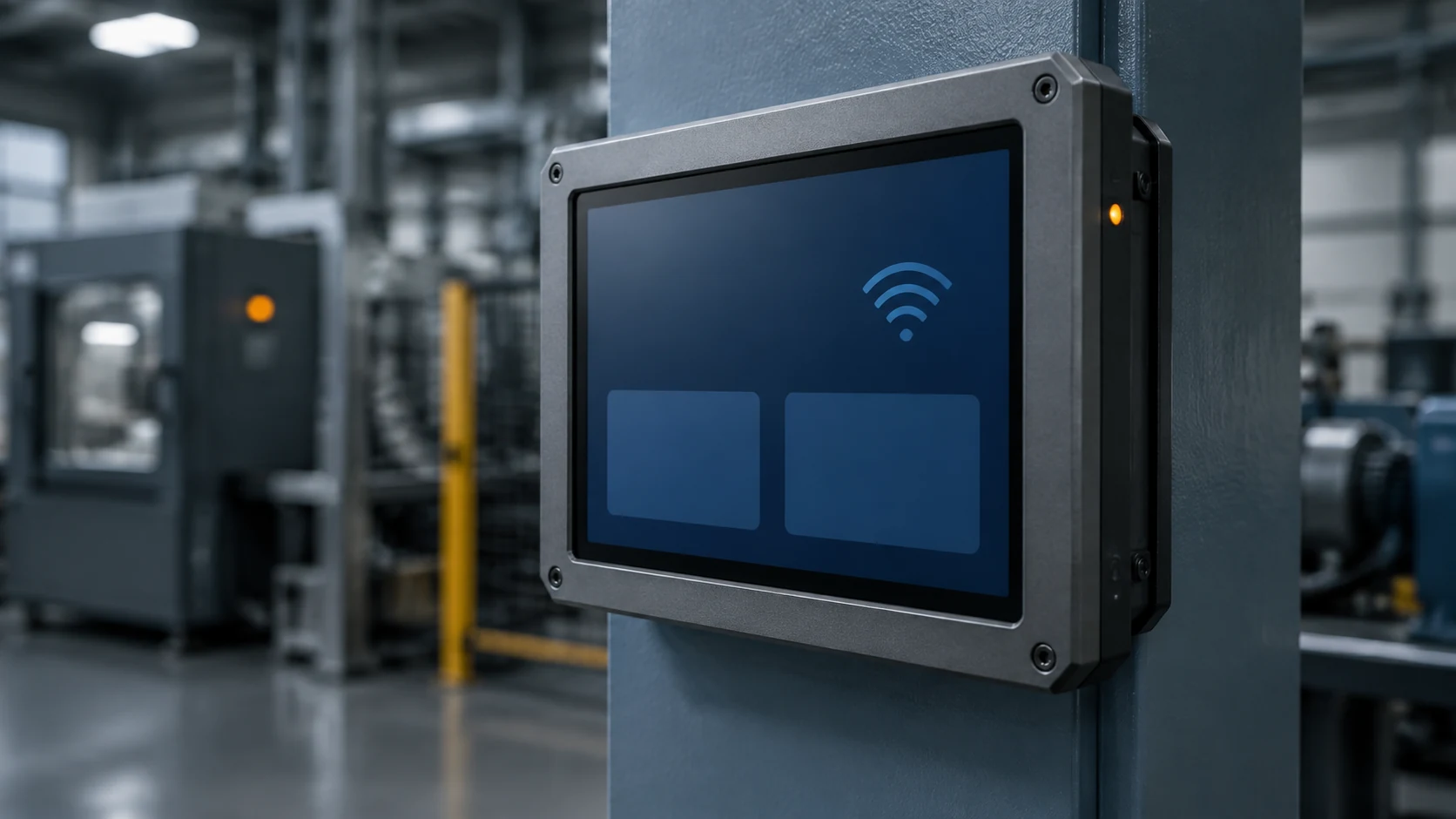
Wi-Fi 7 at 20 MHz Separates Feature Access from Channel Width
On January 6 the Wi-Fi Alliance opened Wi-Fi CERTIFIED 7 to client devices that operate only in 20 MHz channels. For fixed industrial equipment the significance is not more bandwidth — it is that a device can now claim the current generation's reliability features without buying a wide-channel radio, ending a decade in which narrow-channel endpoints were held a generation behind by the certification requirements rather than by their own needs.
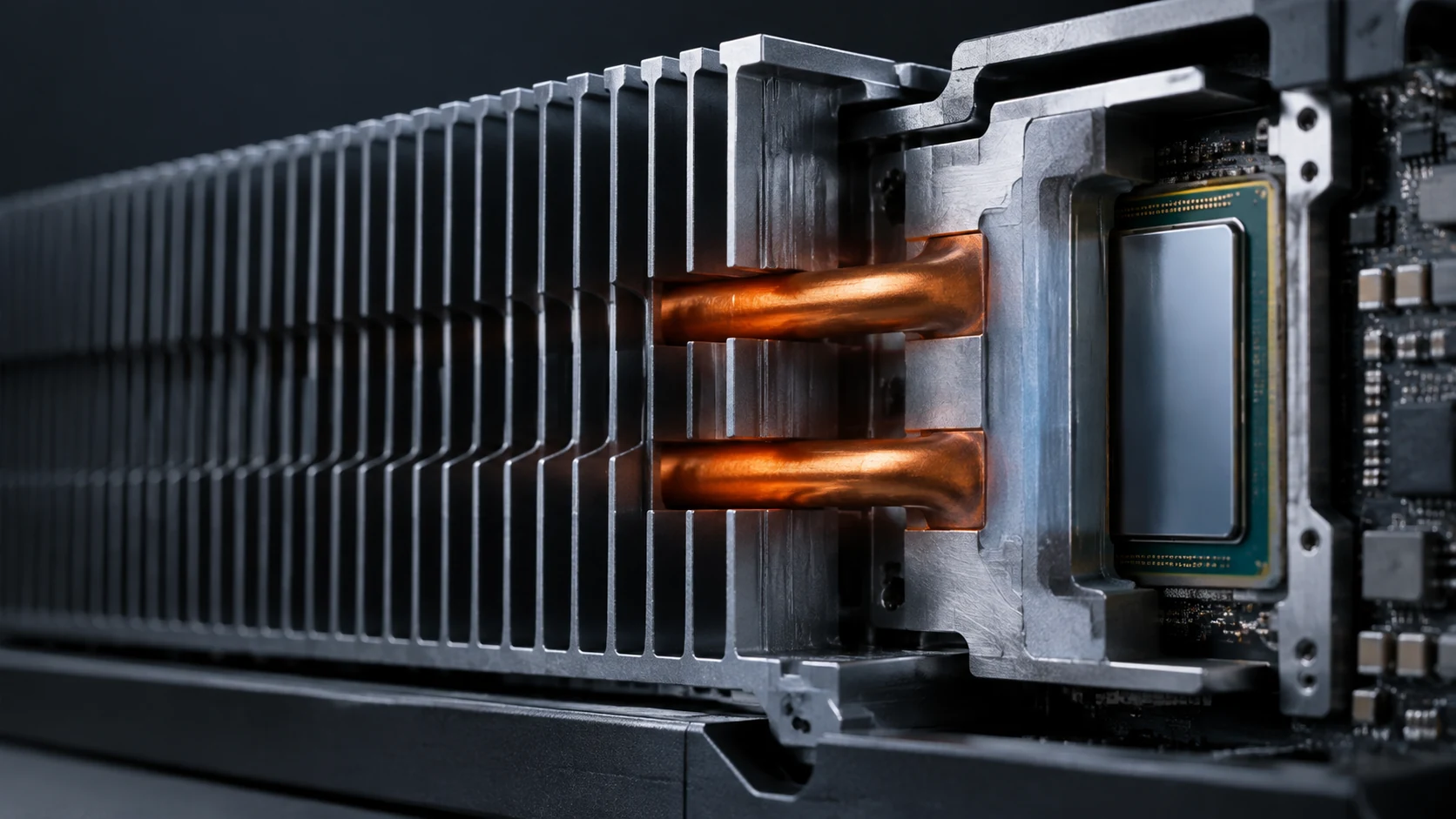
Intel Core Series 2 Makes Determinism a Number — and Its Footnotes Make It a Thermal Design Problem
At Embedded World on March 9, Intel launched the Core processor Series 2 with P-cores and cited up to 4.4x lower maximum PCIe latency and up to 3.8x better deterministic performance against AMD's Ryzen 7 9700X. The disclaimers tie those figures to one processor at a fixed 65 W TDP — which makes sustained thermal design, not processor selection, the variable that decides whether a deployed box PC ever sees them.