

Yinestar News
Topic: #Market Research · Clear filters
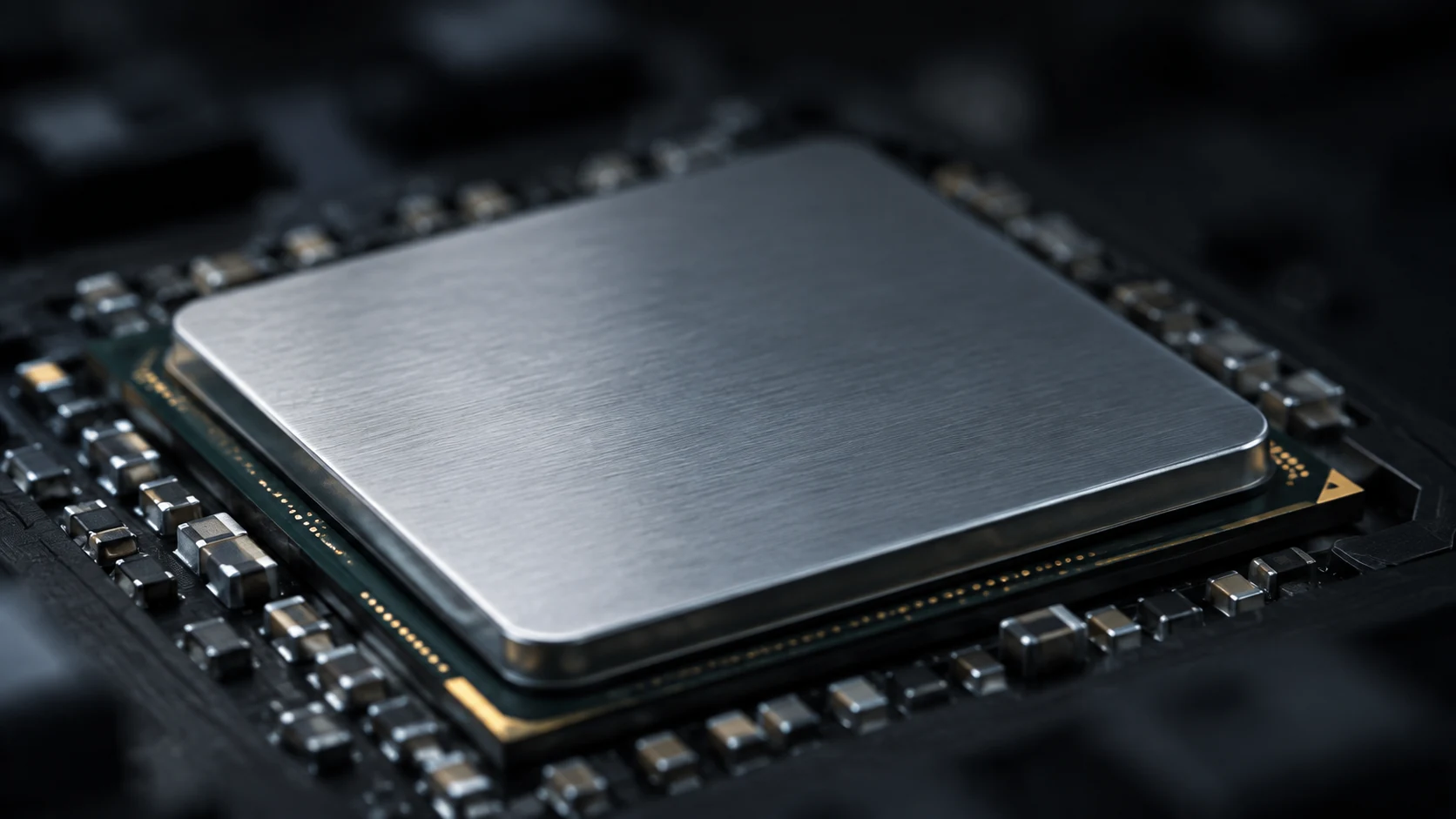
The CPU Holds the Largest Share of Edge AI Processors, Not the GPU
MarketsandMarkets puts the edge AI hardware market at USD 26.14 billion in 2025, reaching USD 58.90 billion by 2030 at a 17.6% CAGR. Its processor finding runs against the prevailing assumption: CPUs, not GPUs or ASICs, hold the largest share, on the strength of versatility and fit across heterogeneous applications. For industrial hardware, that supports a quieter product logic — most edge inference runs on the processor already in the system.
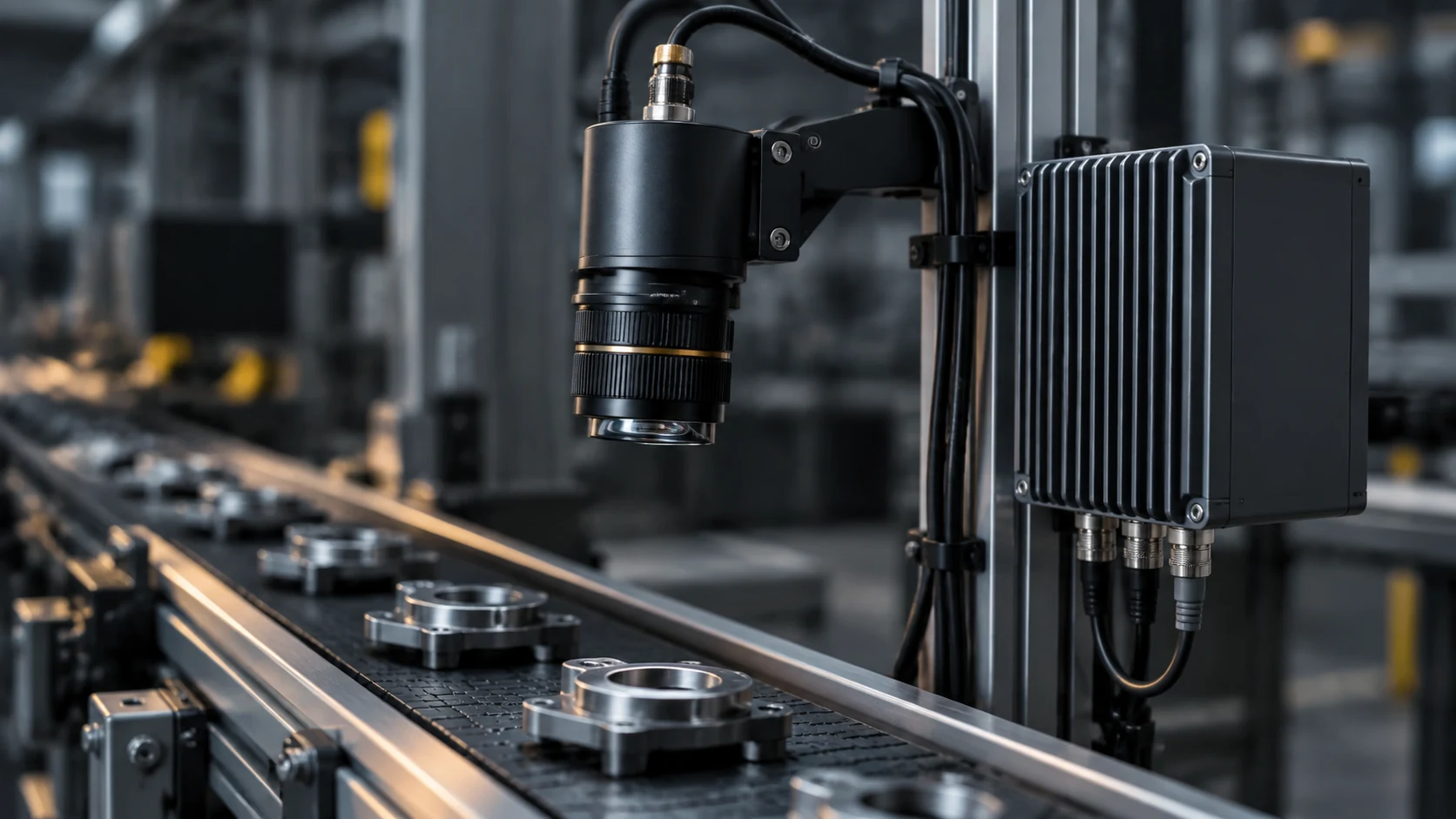
Video Analytics Is the Largest Edge Application — and Services Are Growing Fastest for a Reason
MarketsandMarkets forecasts the edge computing market rising from USD 111.34 billion in 2026 to USD 317.39 billion by 2031. Two findings matter more than the total: video analytics and computer vision is the largest application segment, and services is the fastest-growing offering. Read together, they say the workload driving edge deployment is vision, and that running a distributed fleet of vision nodes is harder than specifying one.
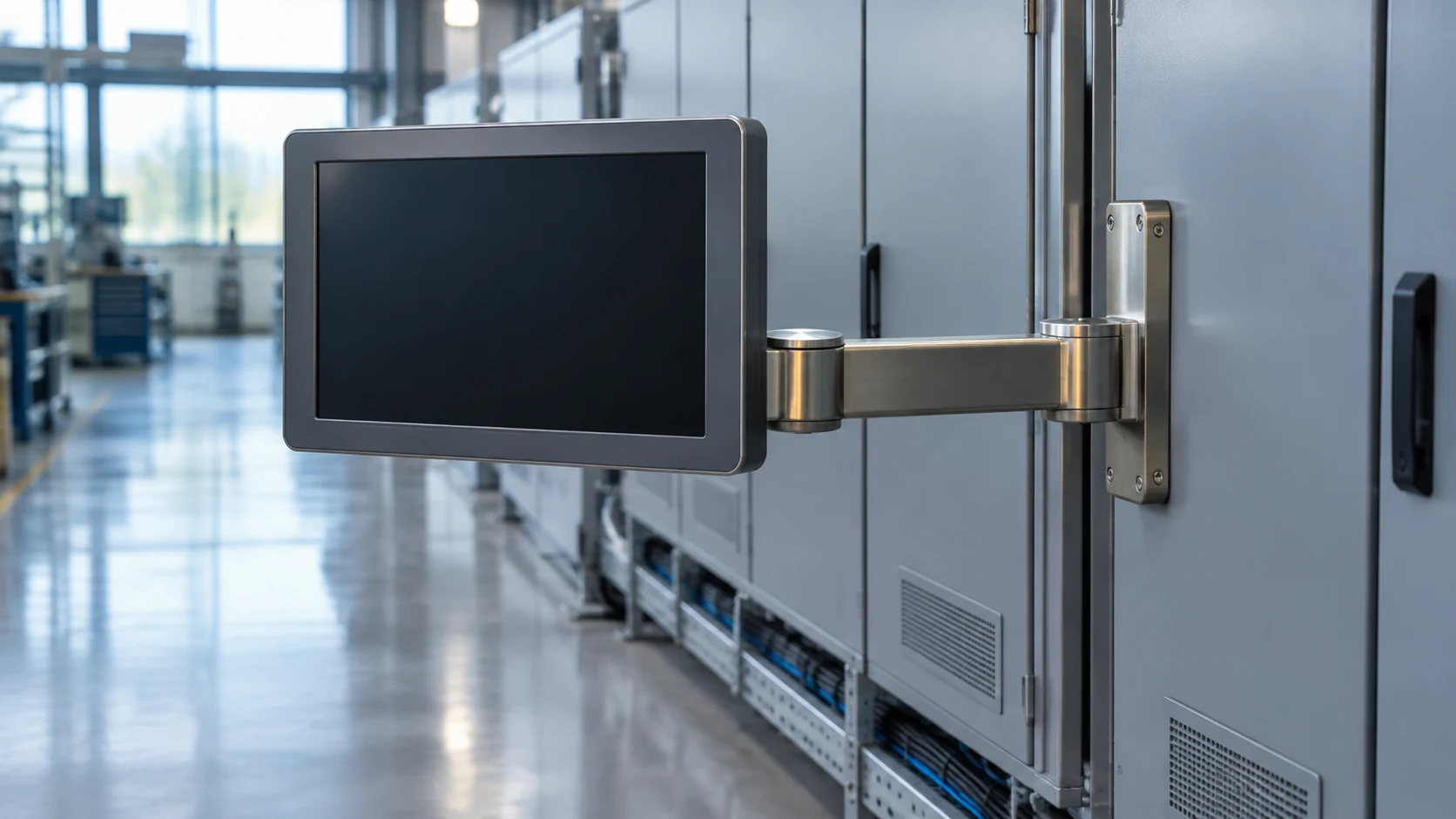
Industrial PCs Held 21% of Europe's Embedded Market in 2025 — and the Supply Chain Under Them Is Being Rebuilt
A Research and Markets report published on September 14 sizes Europe's industrial embedded systems market at USD 6.1 billion in 2025, with industrial PCs holding an estimated 21% share. Alongside the forecast sits a supply-side story: EUR 43 billion of EU Chips Act investment and new fabs in Magdeburg, Dresden and Villach, which the report suggests may reduce the exposure European manufacturers felt in 2021-2022. For suppliers shipping in, it changes what buyers ask about sourcing.
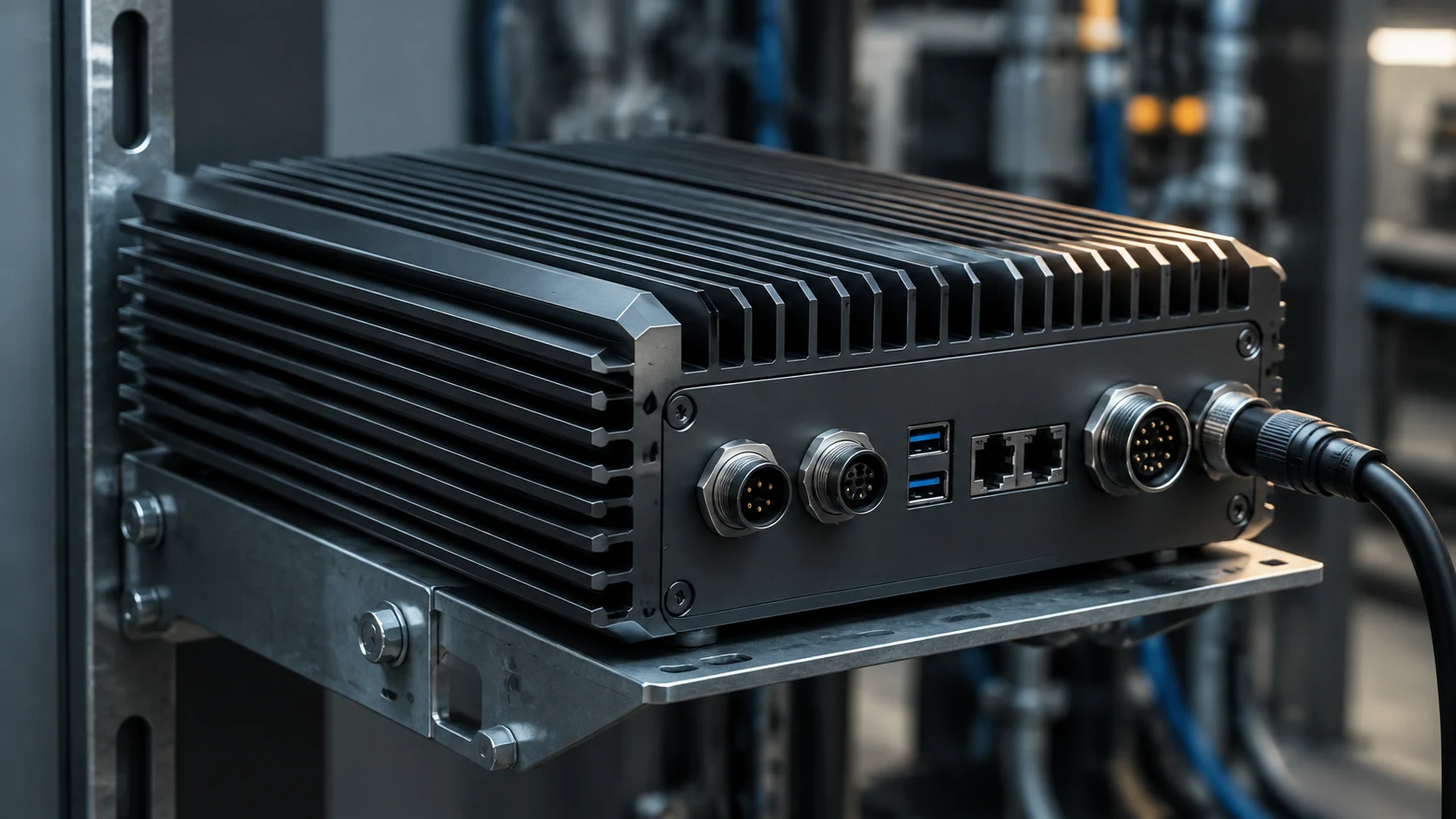
Long Service Life, Fast-Moving Silicon: The Tension Inside the Rugged Embedded Forecast
A ResearchAndMarkets.com study published on September 15 puts the global ruggedized embedded system market on a 10.6% CAGR through 2034. The more useful part is its constraint list: processor architectures, connectivity standards and security requirements move faster than the equipment they go into. That mismatch explains why lifecycle terms, modular partitioning and compact fanless designs now decide rugged hardware purchases as much as specifications do.